
01 / About
About
That is the short version. Here is how it actually went.
I was supposed to be a neurosurgeon.
Born in India, I was the kid who lived for quizzing and sports in equal measure. Biology was my favorite subject and the plan was set early: medical school, then neurosurgery. Then in my junior year of high school I ran track for the first time, and the plan went out the window. I fell completely in love with it.
It ran in the family. My father, Gurbachan Singh Randhawa, finished fifth in the 110m hurdles final at the 1964 Tokyo Olympics. Two years earlier he had won decathlon gold at the Asian Games in Jakarta and was named the best athlete of the Games. He was the first track-and-field athlete to receive India's Arjuna Award, and later the Padma Shri. In our house the hurdles were never just a sport. They were the family trade.
Within two years I had broken the junior national records in the hurdles and the long jump. At St. Stephen's College I was named the best All-India university athlete and broke the 110m hurdles record — the same title my father had won, and his father before him. Three generations, one race. I came to America to keep running, and spent a season at Fresno State, a big Division I program with the national champion in the hurdles on the roster. I finished top three in the 110m hurdles in the Western Athletic and Cal-Nevada conferences.
Then I walked into a computer science class and got hooked on building things. I quit track cold. It was the same pull as the hurdles, aimed at a different kind of barrier: find the problem, break it into steps, train the steps until they hold. I started as a software engineer, and a few years later took a leap of faith into entrepreneurship with WIEMS, an e-commerce venture in the spirit of Alibaba. I have been building companies ever since.
The track never fully let go. In 2008, I entered my first decathlon. I nearly fouled out of the discus and watched qualification slip away — and still put up 7,000+ points in only my second decathlon ever. It was the clearest lesson I have had in how much the process matters when the outcome does not go your way.
Healthcare is where the two halves of my life finally met. Over 25 years I have built an EMR used by dozens of physicians, run a revenue-cycle operation, created PhyPal, and spent eight years inside utilization review. More than 100,000 clinical decisions taught me one thing: when a decision affects a patient, somebody has to be able to show how it was made. That is the hurdle I am on now.
02 / Work
Work
Two companies, one rule: show the work.
Claimatix is for the insurers: every workers' comp claim decision governed, every step measured, nothing decided that cannot be explained. PhyPal is for the providers: fragmented records, dense medical evidence and administrative workflows turned into structured, coordinated clinical work. Same rule on both sides of the table.
 Claimatix ↗
Every workers' comp claim decision, in one governed system. Founder and CEO.
 PhyPal ↗
Structured clinical work for providers: records, evidence, RFAs. Founder and CEO.
Building them is half the job.
03 / Writing
Writing
The other half is saying out loud what they must never do.
AI does not make clinical decisions. Governed humans do.
I write in order to think. These essays are how I find out what I believe.
Published — on the Claimatix blog
Essay 01
The clock is part of the decision: timeliness in California utilization review
Read on claimatix.ai ↗
Essay 02
Physician judgment at machine speed: where AI belongs in workers comp decisions
Read on claimatix.ai ↗
Essay 03
Authorization and payment are one decision: linking bill review to utilization review
Read on claimatix.ai ↗
Published — on the PhyPal blog
Published — on this site
04 / Projects
Projects
And some of what I believe, I have to build to find out.
Project GI
GI surveillance
A pro-bono colonoscopy and pathology surveillance-support tool. My capstone for the Cedars-Sinai applied AI certificate.
Replay
Backtest engine
A multi-name backtesting engine for investment research. Replays a strategy across many names over historical data and reports what it would have done. Signals are scored with Jev, TypeSafe AI's structured-decision model, so every call the engine makes comes back as a typed answer with a probability.
Waterline
Business plan & valuation
A live startup business plan that keeps its own valuation current. Change an assumption and the plan, the runway, and the number move together.
Gauntlet
LLM evals
LLM evals, under the hood. Runs prompts and models against fixed test sets, scores the results, and shows exactly which case changed when something is updated.
Crosswalk
Clinical ontology mapper
Maps clinical terms from one vocabulary to another — codes, diagnoses, procedures — and shows the evidence for each match beside it.
Sift
Document fact extractor
Pulls structured facts out of long documents, each one tied back to the page it came from. Feeds Crosswalk and Gauntlet as well.
05 / Strength
Strength
And one project never ships: the body that has to carry all of it.
Strength is the asset that compounds.
The decathlon taught me that no single ability is enough. Ten events, two days, and the scoring table punishes anyone who is only good at one thing. Functional strength is the same idea applied to a body that has to last: train the movements, not the muscles. Carry, hinge, push, pull, climb, get up off the floor. The question is never what I can lift once. It is what I can still do.
I train because it is the one system I cannot outsource and cannot fake. Every other part of my life has a team, a tool, or a model behind it. This one has only me, the work, and the result. It is the daily proof that effort still converts into outcome, and I need that proof more now than I did at twenty.
Founders run on energy, and energy is built, not found. I do not have a single idea worth having at the end of a day I could not have physically carried.
The events change. The habit does not.
06 / Hikes
Hikes
Training builds the body. Walking clears the head.
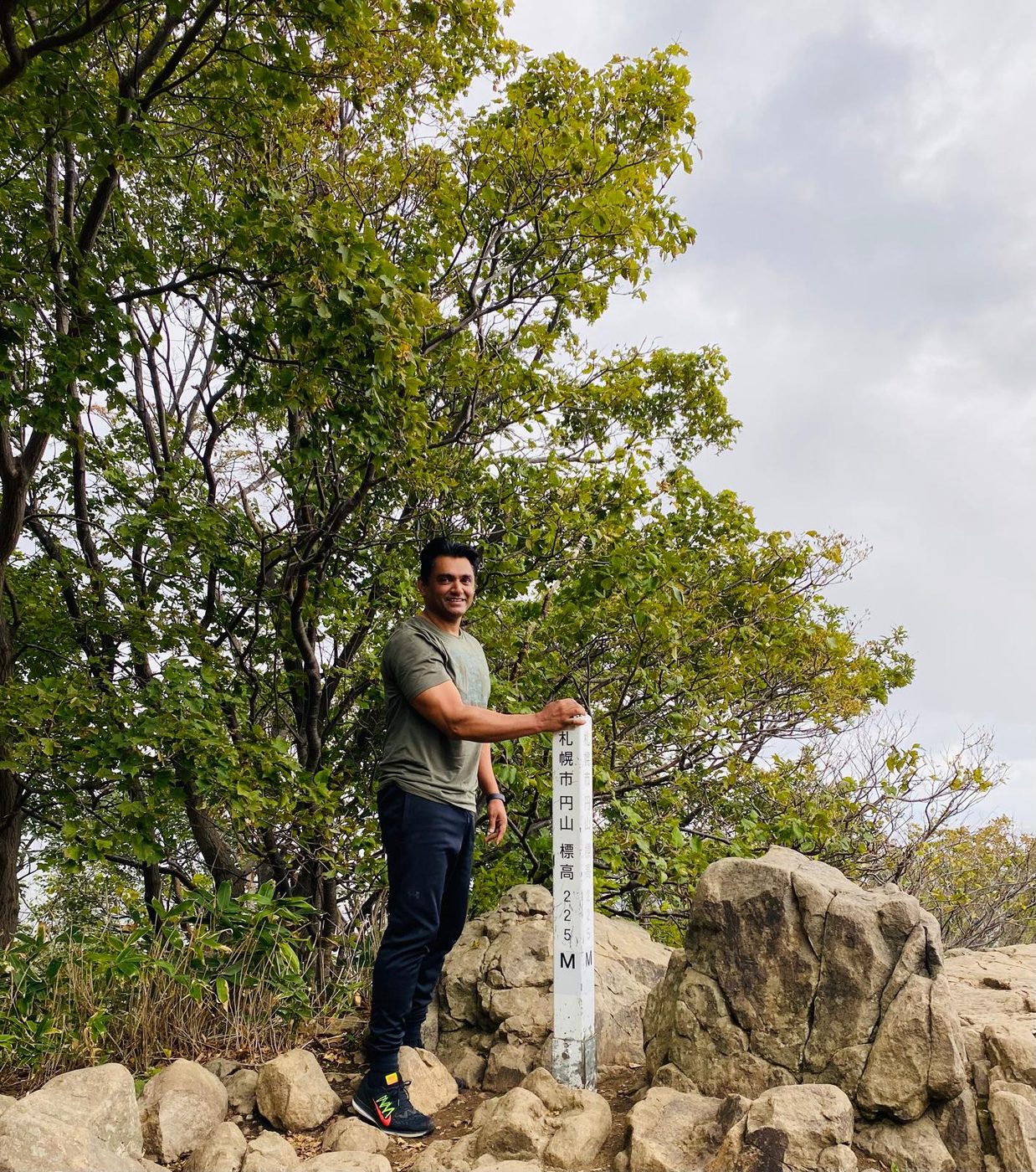
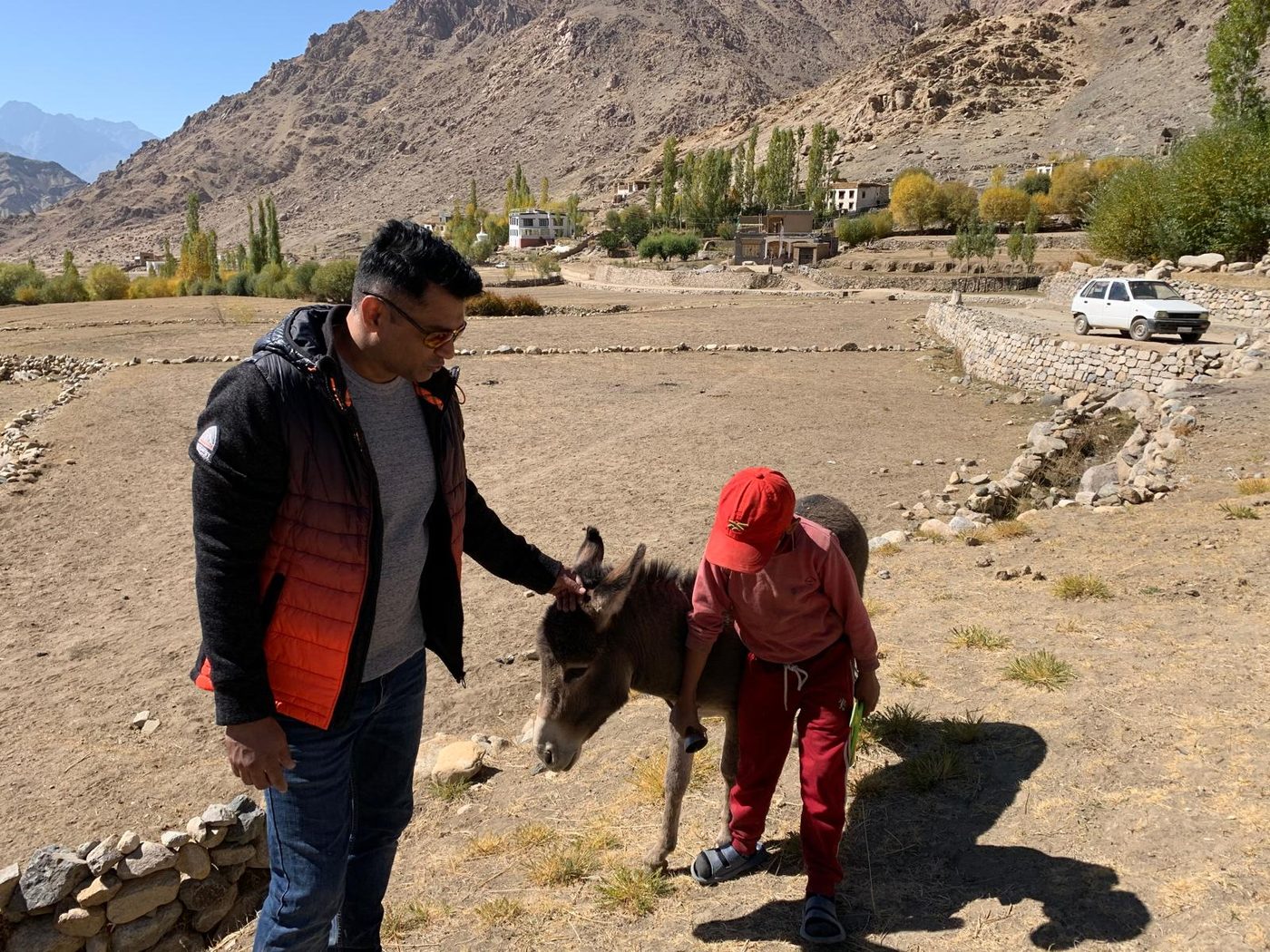
I hike to think.
- Himalayan Mountains, India
- Volcanic Mountains, Japan
- Pacific Northwest, USA
- Antigua, Guatemala
- Medellín, Colombia
07 / Travel
Travel
Some trails became trips. Some trips became homes.
Places I have lived: California, Washington, New York, Florida, Japan, India.
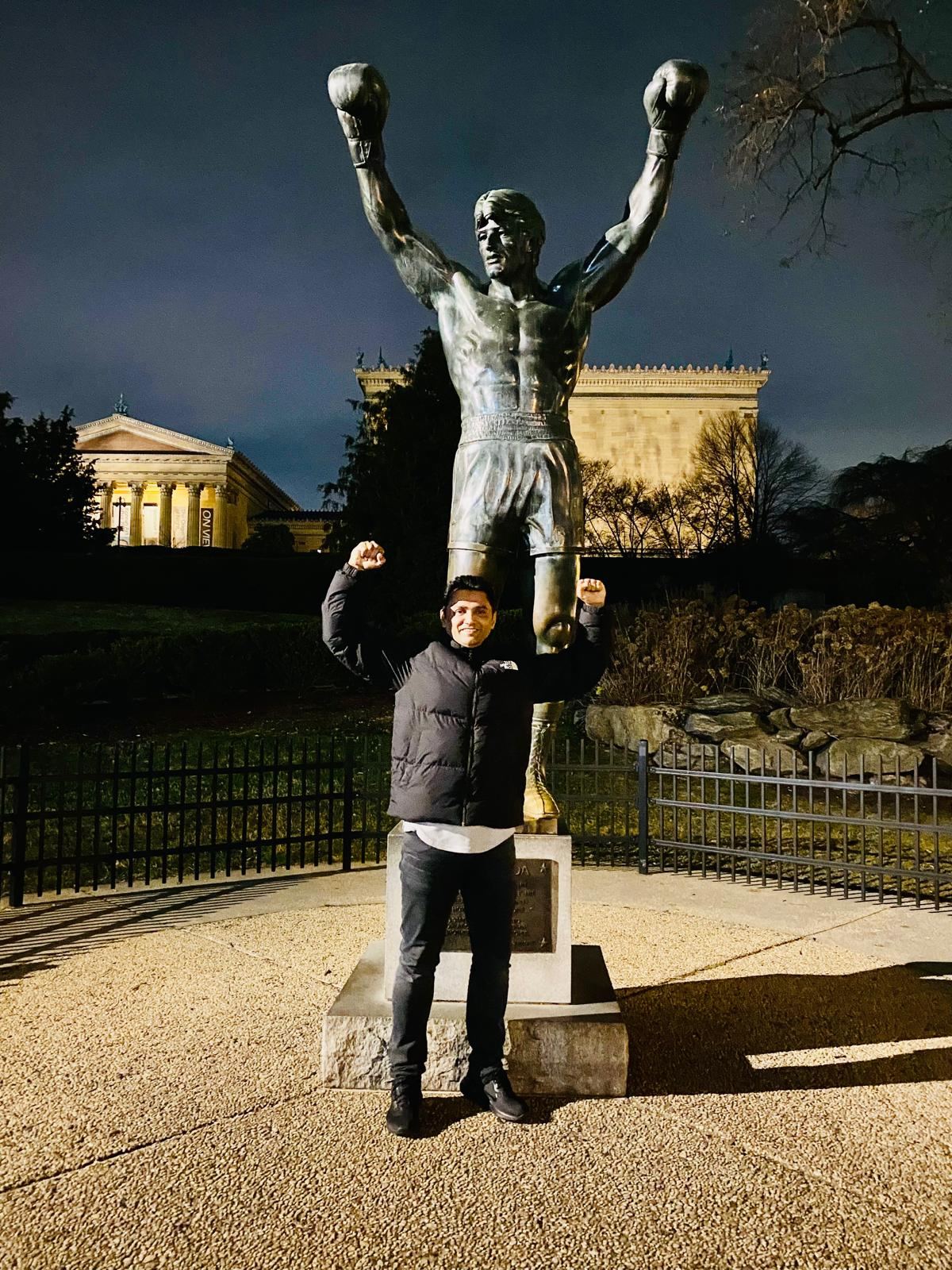
Philadelphia 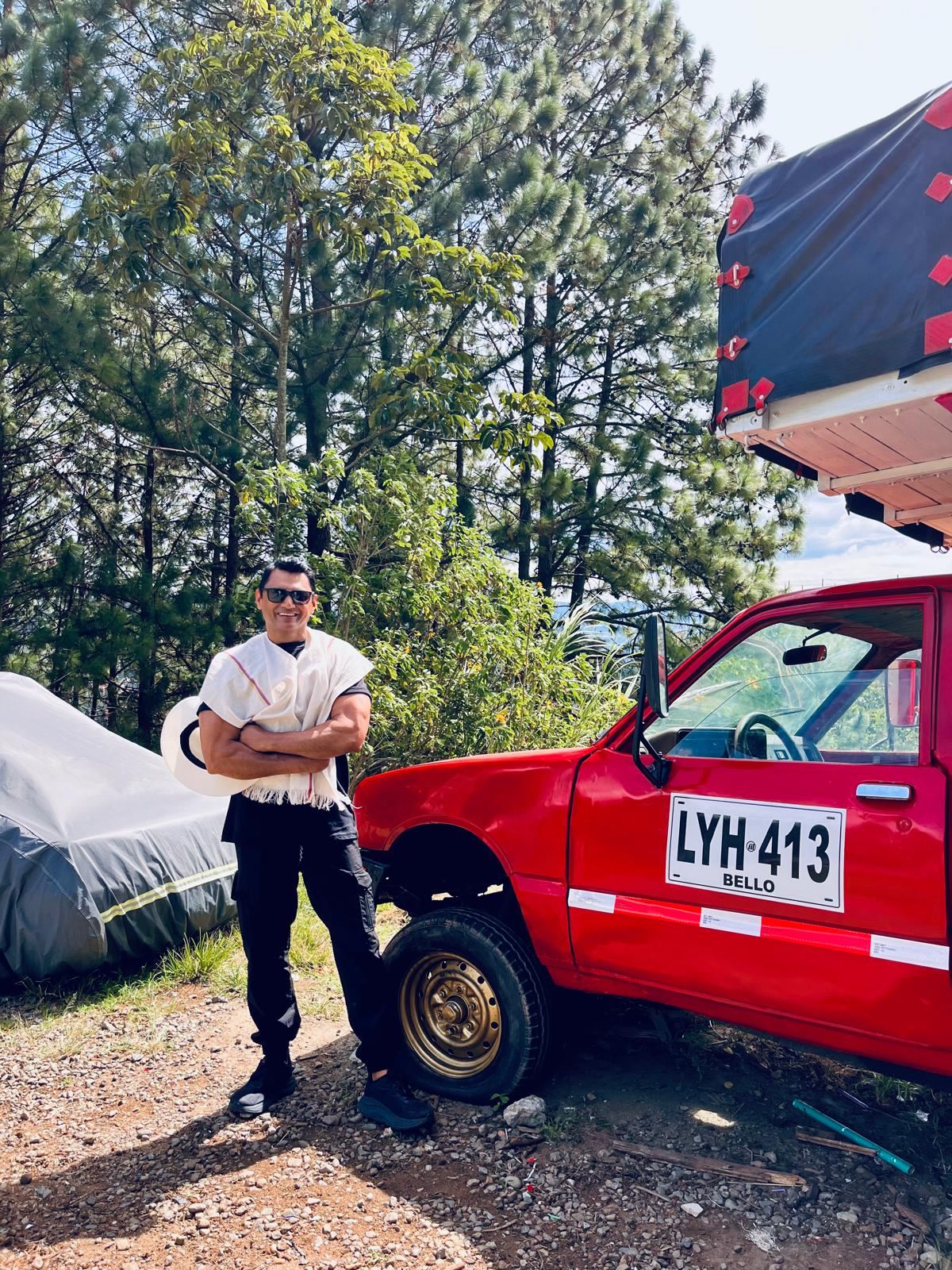
Colombia 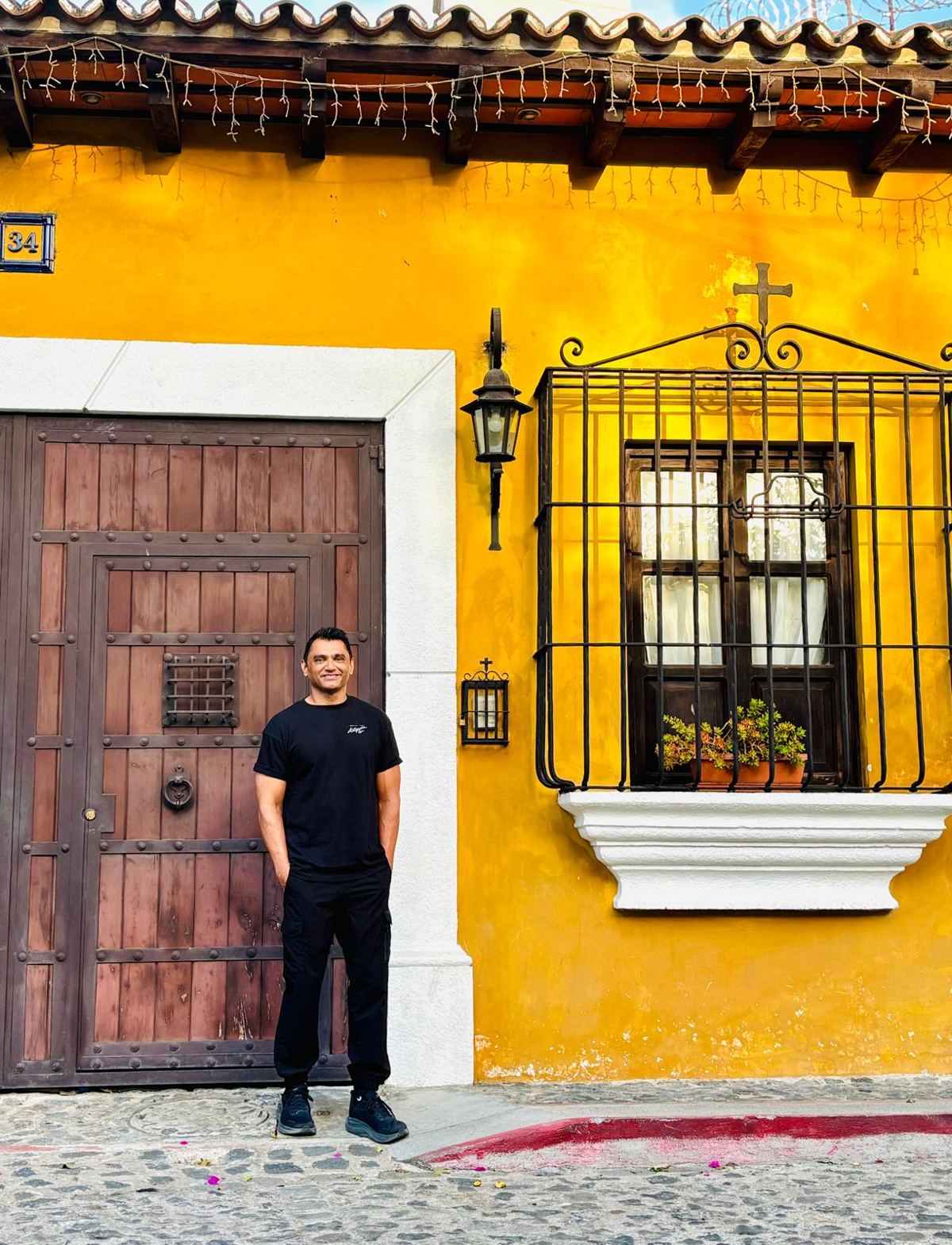
Antigua, Guatemala 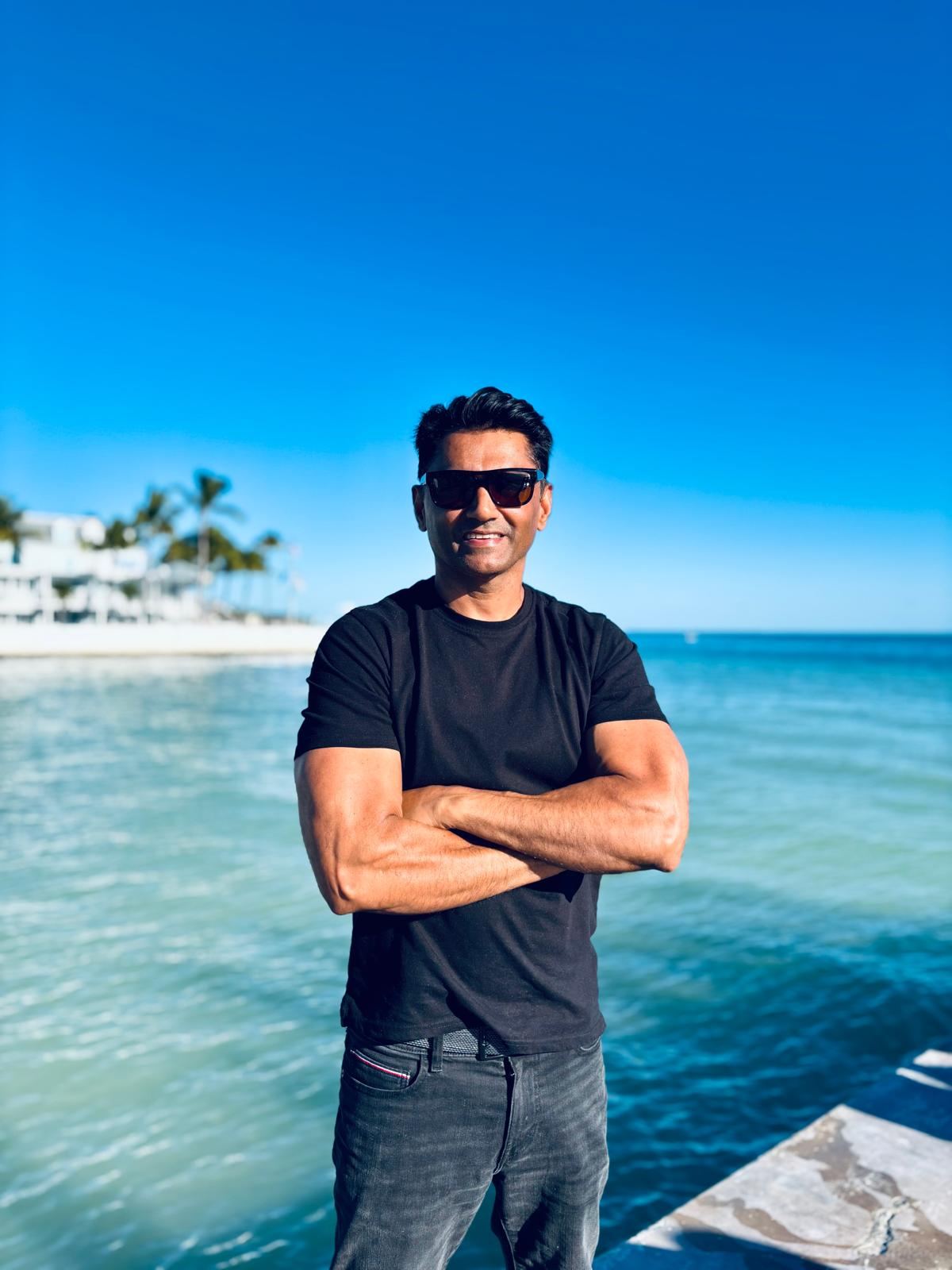
Key West, FL 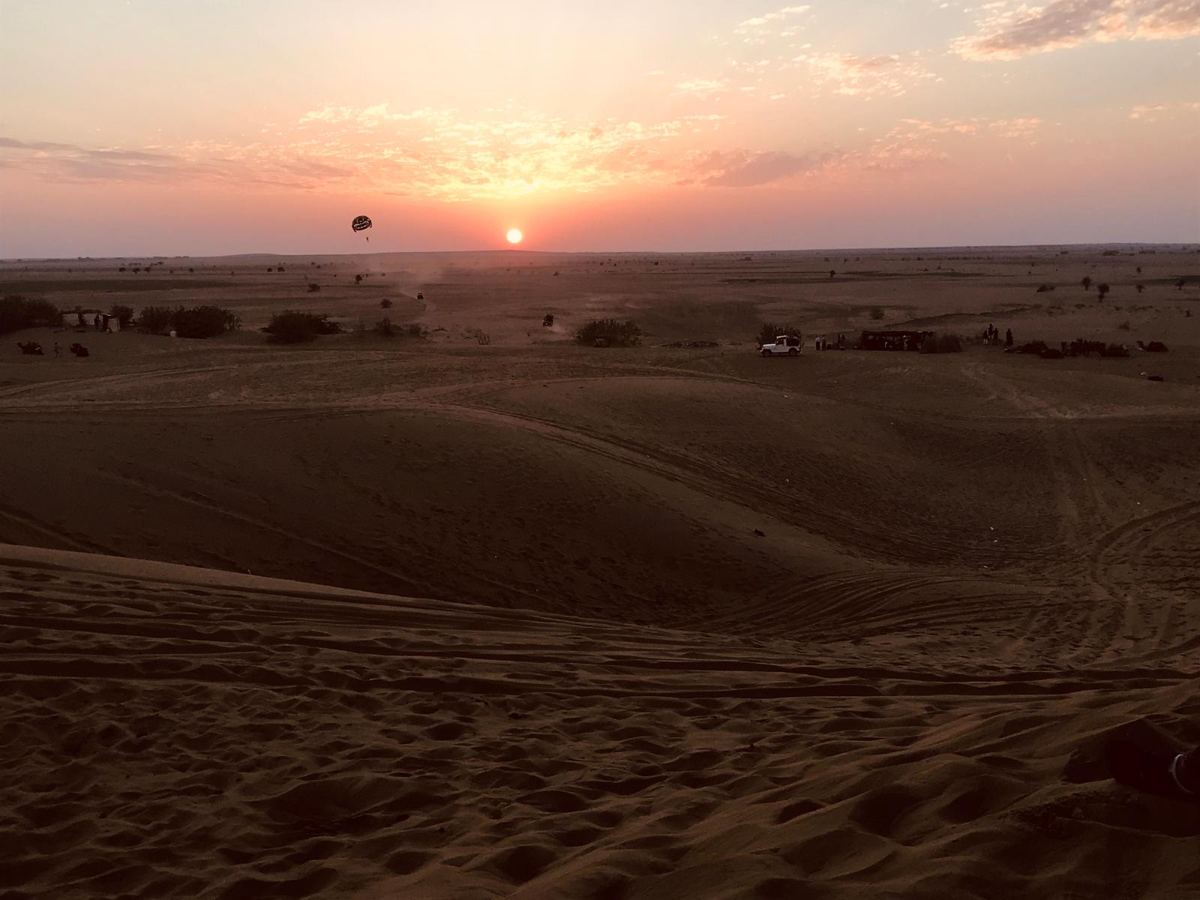
Rajasthan, IND 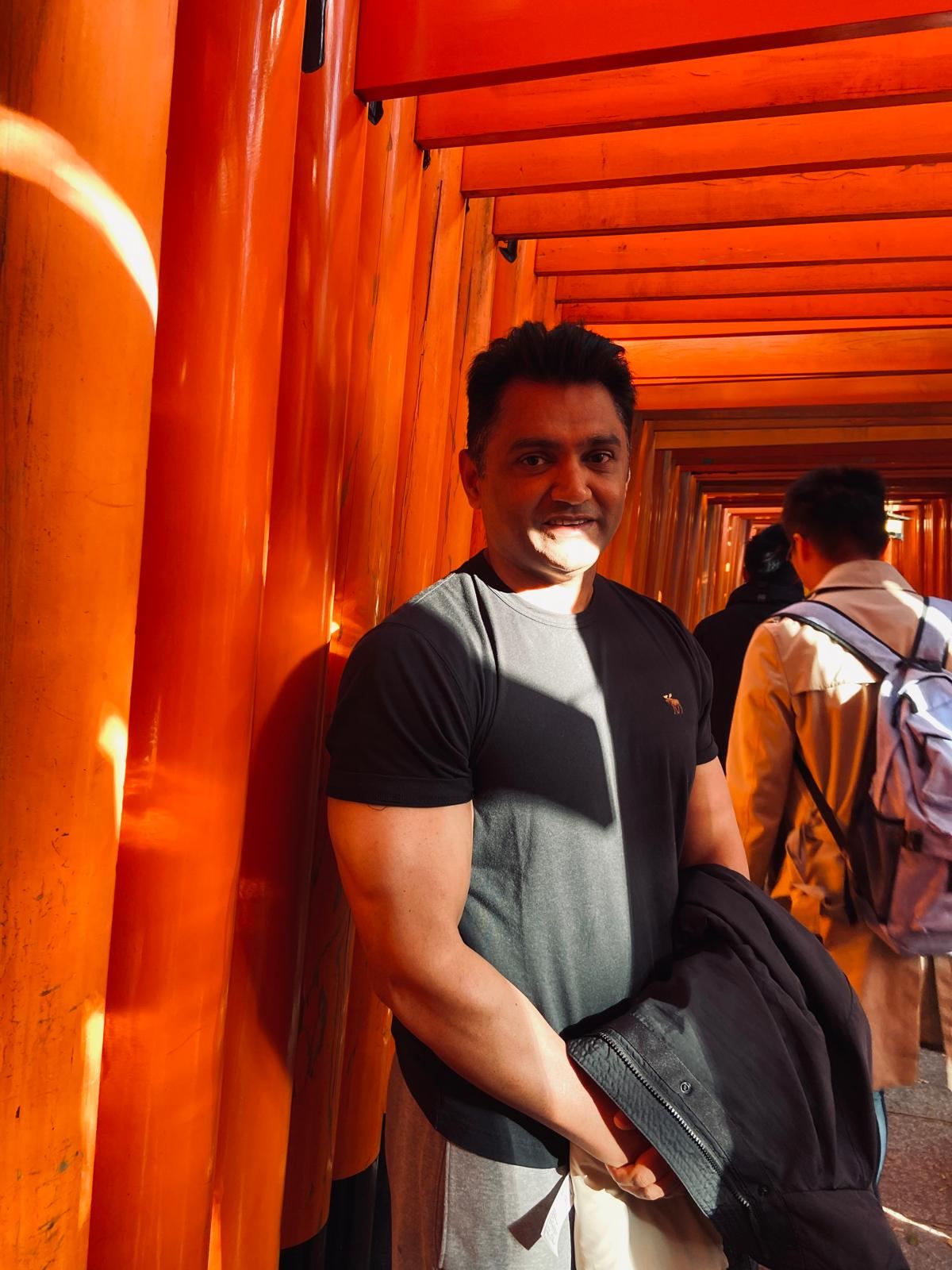
Kyoto, JP
08 / Anime
Anime
And when I am home, this is what is on.
Yes, really.
Fullmetal Alchemist: Brotherhood
Equivalent exchange
Two brothers break the one law of their craft trying to bring their mother back, pay for it with their bodies, and spend the whole story earning their way back. Nothing is gained without something of equal value given. I have shut a company down and started over. Nothing I have built came free, and I do not trust anything that claims to.
Death Note
Ungoverned judgment
A brilliant kid gets unchecked power to decide who lives, and is certain he is right. The show is really about what happens to judgment when nothing governs it. I spend my days building systems where a clinical decision has to show its reasoning. Light never has to. That is the whole problem.
Vinland Saga
Building instead of fighting
Thorfinn spends years as a weapon and then has to learn to build something instead: a farm, a village, a life with no enemies. The second half is slower than the first and better. I quit track cold to build things. I understood him.
Hajime no Ippo
The work before the fight
A kid gets beaten up, learns to box, and the show spends hundreds of episodes on training rather than fights. Footwork, roadwork, the same punch ten thousand times. I was a hurdler. The race is thirteen seconds; everything else is the work. It is the most honest sports show I know.
Run with the Wind
Ten people, one relay
Ten students in one shared house train for the Hakone Ekiden, a relay where each runner carries everyone else's effort. Most of them are not runners when it starts. I coach, I hike to think, and I have been the one trying to get ten people to believe in something before it works. It gets me every time.
09 / Contact
Contact
That is the story so far. If any of it is useful to you, write.
I read everything. I reply to most of it.
Short bio
Ranjeet Randhawa is a healthtech founder based in Miami with more than 25 years in healthcare technology. He is the founder and CEO of Claimatix, which puts every workers' compensation claim decision in one governed, measured system, and of PhyPal, which turns scattered patient records and dense medical evidence into structured, coordinated clinical work for providers. He previously built an EMR used by dozens of physicians and spent eight years in utilization review across more than 100,000 clinical decisions. A former Indian national champion in the 110m hurdles, he holds an MS in Computer Science from the University of Illinois, multiple AI & Clinical Informatics Certifications, and writes about AI in healthcare.